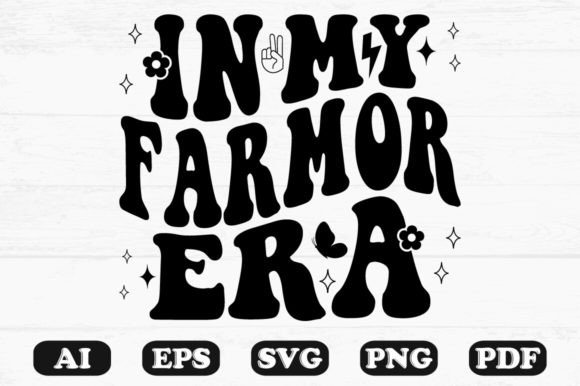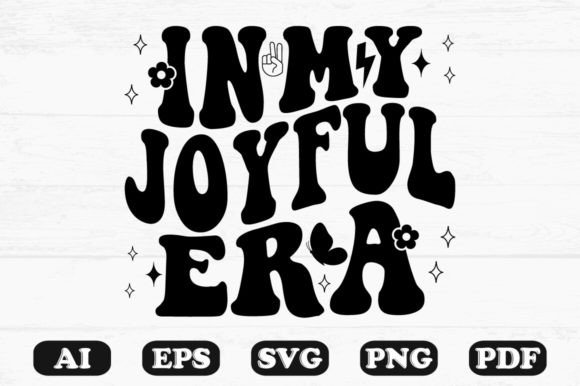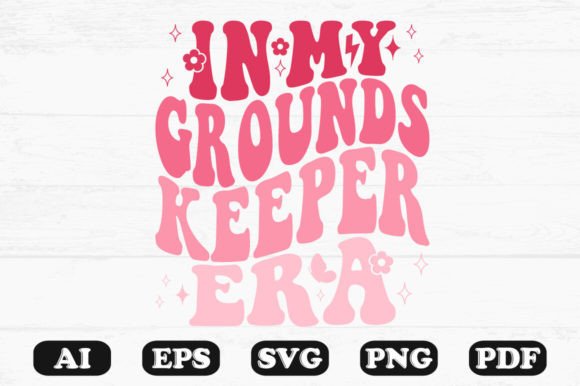
In My Groundskeeper Era Retro Wavy SVG
Let’s be real: not every retro wavy typography SVG translates cleanly to embroidery. I’ve stitched hundreds of text-based designs—from playful quotes to vintage slogans—and In My Groundskeeper Era Retro Wavy SVG is one that made me pause mid-hoop setup. Not because it’s flashy, but because it carries a quiet confidence: relaxed, slightly nostalgic, and built for wearability—not just screen appeal.
A Design That Breathes on Fabric
First impression? This isn’t a tight, rigid script. The wavy baseline gives it rhythm—like handwriting softened by time. The letterforms are bold enough to hold up in satin stitch, but with subtle curves and open counters that avoid visual clutter. There’s no excessive ornamentation, no thin serifs or fragile terminals that vanish under thread. That matters. When I laid it out for a custom embroidered tote bag (medium-weight canvas, 6” x 8” hoop), the flow felt natural—not forced, not cramped. It sat comfortably centered on the front panel, neither shouting nor whispering.
It’s the kind of design that lands well on sweatshirts and aprons—pieces where personality meets practicality. I pictured it stitched in moss green thread on an oatmeal cotton sweatshirt for a local garden center’s staff gift line. Or in soft terracotta on a linen tea towel for a boutique kitchen collection. The “groundskeeper” theme isn’t literal—it’s atmospheric. It evokes care, routine, earthy calm. That subtlety makes it versatile across product types: baby embroidery (on a lightweight gauze blanket), holiday embroidery (as a cozy sweater motif for fall), or even wedding gifts (a minimalist embroidered pillow cover for the couple who composts).
Where It Shines—and Where It Needs Care
Dark fabric? No problem—if you choose high-contrast thread. A deep navy tote looks sharp with creamy off-white thread; charcoal sweatshirts sing with mustard or sage. But avoid pairing it with ultra-thin fabrics like voile or lightweight rayon without backing—stitch density here leans medium (not sparse, not aggressive), so stabilization is non-negotiable for clean fill stitch coverage.
Here’s what I watched closely: the inner curves of letters like “g”, “y”, and “p”. In digital form, they’re smooth. In thread? They can puddle if tension’s off or stabilizer shifts. I ran a test on scrap canvas first—checked stitch density visually, not just numerically—and adjusted my top tension down 0.3. Result? Crisp curves, no puckering. That’s the kind of detail that separates a handmade product from a rushed finished product.
Real Impact on Your Craft Business
If you’re an Etsy seller or small shop owner,
For commercial embroidery projects—say, branding for a local plant nursery or coffee roaster—it holds up in mockups. I dropped it into printable mockups on light and dark apparel templates, then toggled between black/white and color views. It read cleanly in grayscale, which tells me it’ll translate well to screen printing or heat transfer backups if a client asks for multi-process options. That flexibility is gold for creative entrepreneurs juggling multiple production methods.
Designer Notes You Can’t Skip
- Always test on scrap fabric—same weight, same stabilizer, same thread as your final project.
- Check thread color contrast before hooping. What looks balanced on screen may disappear on fabric.
- Review stitch density in your embroidery software. If fill areas feel too heavy for lightweight items (like baby embroidery), simplify or reduce density manually.
- Confirm hoop size compatibility. This design scales well—but never assume. Measure your intended placement area first.
- Inspect small details at 200% zoom in your editing software. Look for stray nodes or overlapping paths that could cause jump stitches.
- Test in black-and-white mockups to assess legibility across backgrounds—especially important for craft fair signage or digital product previews.
- Use proper stabilizer: tear-away for stable wovens, cutaway for knits or textured fabrics like terry cloth.
- Verify licensing before selling finished items or bundling the SVG as part of a digital embroidery file pack. Since this falls under Graphics, confirm whether commercial use is included.
This isn’t a “set it and forget it” embroidery file. It’s a thoughtful piece of design assets—one that rewards attention to detail and respects the craft behind every stitch. Whether you’re building a cohesive line of embroidered nursery decor, prepping holiday embroidery bundles for your Etsy shop, or creating custom apparel for a boutique client,