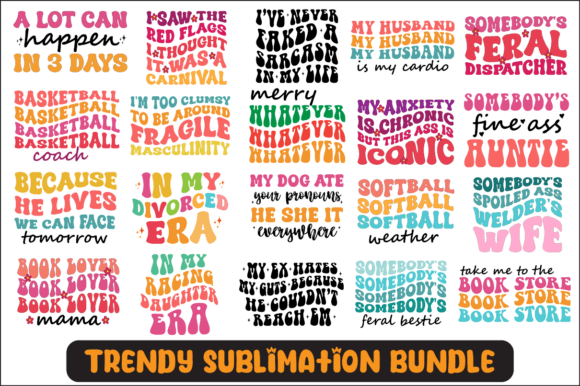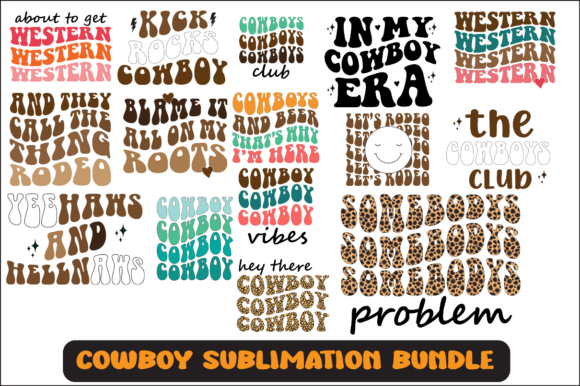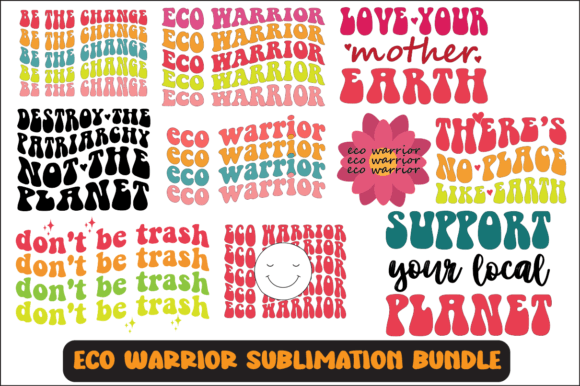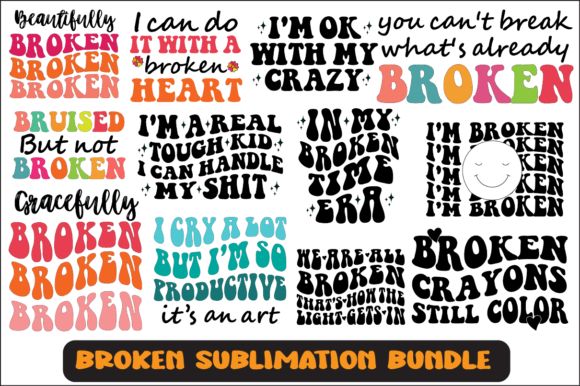
Broken SVG Sublimation Design Bundle
First Impressions: Raw, Intentional, and Surprisingly Versatile
When I opened the Broken SVG Sublimation Design Bundle, what struck me wasn’t chaos—it was control. The “broken” aesthetic isn’t sloppy; it’s carefully fragmented with deliberate gaps, asymmetrical weight, and a subtle rhythm that reads as modern and tactile. As an embroidery designer who tests hundreds of digital assets each year, I immediately asked: *Does this translate to thread?* Not all sublimation-ready graphics hold up under needle and bobbin—and many fail silently in stitch density or corner definition. This bundle does something smarter: it leans into its graphic roots while leaving breathing room for embroidery interpretation.
A Real Project Test: Embroidering a Minimalist Tote for a Local Boutique
Last week, I used one of the Broken SVG designs to embroider a linen-cotton tote for a neighborhood gift shop—intended as a limited-run holiday item. I chose a mid-sized layout (approx. 4.5" wide) centered on the front panel. The design’s open negative space meant minimal fill stitch, low stitch density, and excellent drape retention. No puckering. No stabilizer bleed-through. Just clean satin-stitched outlines framing intentional “breaks” that mimicked hand-drawn imperfection—something customers kept touching and commenting on. That tactile honesty is hard to fake. It made the finished product feel curated, not mass-produced.
Where It Shines in Real Embroidery Work
- Custom apparel: Works beautifully on sweatshirts and hoodies—especially when placed off-center or along seams, where the fragmentation feels like intentional design, not a flaw.
- Baby embroidery: On onesies and burp cloths, the broken lines soften into gentle visual rhythm—less rigid than traditional monograms, more memorable than generic motifs.
- Embroidered patches: The high-contrast edges and clear separation between elements make it ideal for iron-on or sew-on patches. No detail gets lost in border stitching.
- Holiday and wedding gifts: Paired with neutral thread (heather grey, oatmeal, deep navy), it reads as quietly sophisticated—not festive in a literal sense, but emotionally resonant for milestone gifting.
- Etsy listings & small shop products: Because it’s inherently graphic and scalable, it pairs well with printable mockups. Buyers instantly “get” the vibe—minimalist, handmade, contemporary—without needing a description paragraph.
Where to Proceed With Care
This isn’t a plug-and-stitch file for every surface. Its strength lies in intentionality—not universality. Use caution with:
- Small hoop sizes (under 3"): Some versions include fine interior breaks or thin connecting lines that may vanish or distort below 3". Always test on scrap first.
- Textured or stretchy fabrics: While the open layout helps, highly napped fleece or jersey can blur the “break” effect. A light tear-away + cut-away combo stabilizer is non-negotiable here.
- Dark fabric backgrounds: The design relies on contrast. On charcoal or black, avoid light pastel threads unless you’re aiming for subtlety—go for matte black, charcoal grey, or deep burgundy for clarity.
- Curved surfaces (caps, curved pillow covers): The geometry works best on flat or gently contoured areas. Avoid placing tight angular breaks directly over crown seams or deep darts.
- Frequent-wash items (tea towels, baby blankets): Reinforce dense satin-stitched edges with a second pass if durability is critical—especially where “broken” lines meet anchor points.
How It Shapes Perception—Beyond the Stitch
What surprised me most wasn’t how it stitched—but how people responded to it. Customers didn’t say “cool design.” They said, *“It feels honest.”* That matters. In a market saturated with over-polished digital embroidery files, the Broken SVG Sublimation Design Bundle offers quiet differentiation. It supports brand consistency for makers who value understated craftsmanship over loud novelty. For Etsy sellers, it elevates perceived value without raising price points—because it looks custom, even when scaled across multiple products. And for craft business owners building repeat clientele, that emotional resonance builds trust faster than any sales copy.
Practical Designer Notes Before You Stitch
- Always run a test on scrap fabric matching your final substrate—thread tension shifts dramatically between cotton twill and lightweight rayon.
- Review stitch density visually: look for clusters where “breaks” narrow to under 1mm—they may merge during stitching.
- Check thread color contrast using both black-and-white and color mockups. Some breaks disappear in grayscale previews.
- Confirm licensing terms before selling finished embroidered goods—this is a Graphics bundle, not an embroidery file by default. Conversion to machine embroidery format requires proper digitizing or verified compatible files.
- Use proper stabilizer: medium-weight cut-away for stable wovens, lightweight tear-away + topping for knits.
- If adapting for applique design, leave at least 1/8" seam allowance around each broken segment—tight angles fray easily.
- For commercial embroidery projects, verify whether the source files support resizing without pixelation—SVG should scale cleanly, but PNG variants in the bundle may have resolution limits.
Final Thought: A Design That Earns Its Place
The Broken SVG Sublimation Design Bundle doesn’t shout. It invites closer looking. It rewards thoughtful placement, intentional thread choices, and respect for material texture. It’s not for every project—but when it’s right, it elevates the entire handmade product. Whether you’re stitching a single personalized gift or building a cohesive line for your Crafts shop, this bundle gives you permission to embrace imperfection—not as compromise, but as signature style. Just remember: great embroidery starts with knowing what the design *needs*, not just what it looks like on screen.